During a recent field excursion in Punta Arenas, we explored the Tres Puentes wetland, an urban wetland inside the city of Punta Arenas. It is a bit unremarkable at first glance, but the wetland plays a role in both local biodiversity, bird populations, and water control. As the urbanization increases around the wetland, it is increasingly important to protect and manage this ecosystem wisely: therefore, for our CONS class, we created a conservation management plan for the wetland.
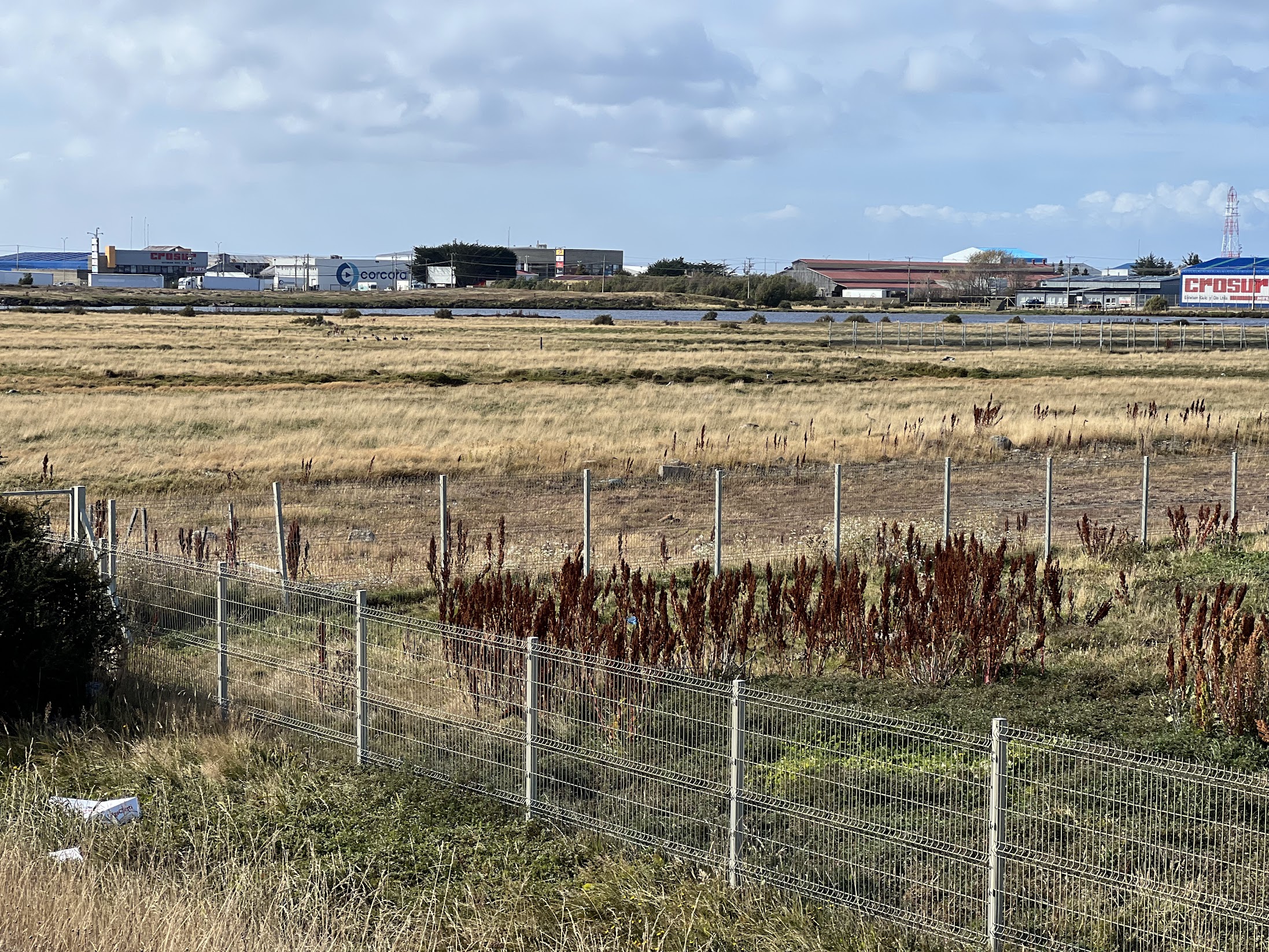
Our goal at Tres Puentes was to defend the wetland from urban threats (like stray animals and pollution) while enhancing community benefits. With restoring and protecting the wetland being our main scope, we also created a vision of a healthy, vibrant habitat supporting diverse birdlife and offering flood protection for the city. The central conservation targets became bird health, hydrology, and community benefit, and they all benefit each other.
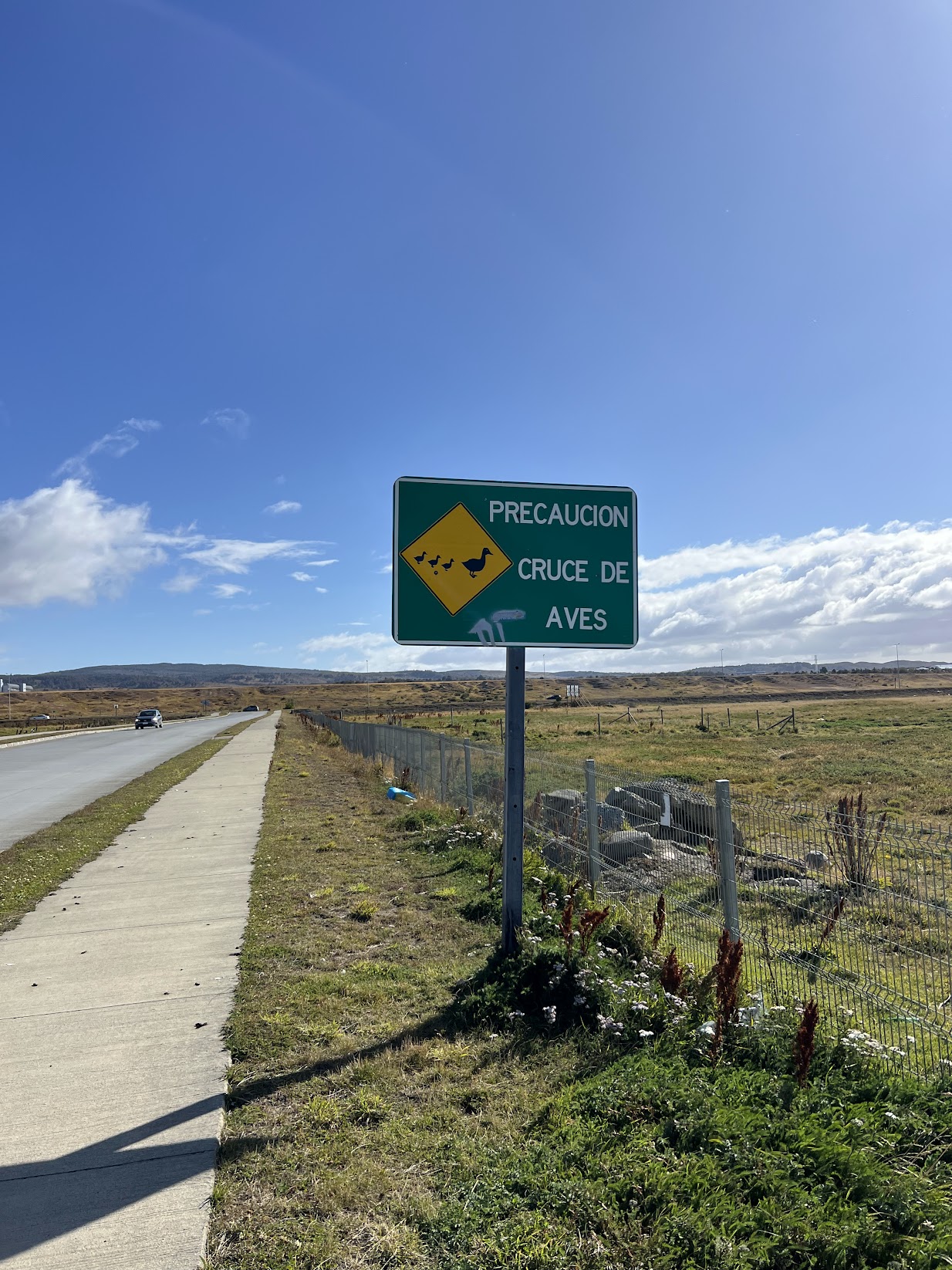
In the field itself, we found our five immediate threats: feral animals, habitat fragmentation, debris/trash, noise pollution, and runoff contamination. We then classified their severity, with feral animals and habitat fragmentation being the most severe, and the others being around middle to low severity.
After our assessment, we move to the planning stage. Here is where we outlined our main goals, which are the following:
- Restore and sustain bird populations and biodiversity.
- Preserve natural hydrology and eliminate barriers to connect wetlands together.
- Reduce the effect of introduced animals like cats and dogs on the wetland’s inhabitants (mostly the birds)
First, constructing green barriers/fencing. These walls will assist in mitigating all of the identified threats, including noise pollution from the nearby road. The physical barriers also help to inhibit feral animals from crossing into the wetland.
Second, wildlife corridors to help move animals between the wetlands to prevent roadkill situations and to reduce the severe habitat fragmentation. These corridors will have to be well protected though, due to the aforementioned feral animals.
To help with both chemical pollution and the altered hydrology, doing a study to analyze how it would be possible to take some of the infrastructures drainage away from the wetland would be ideal. This requires a higher amount of investment, as permanent infrastructure is expensive to maintain and upkeep.
For our goals, we really focused on being achievable. While there are broader infrastructure changes that could’ve been made, changing large parts of the surrounding landscape is expensive, and these few simple actions would drastically improve the condition of the wetlands.
To track progress of these developments, we decided the best way to do so is going to be tracking bird count and diversity on regular intervals with persons taking general data. This will act as a good marker to track progress, and is low-cost and non-invasive.
Overall, making a CMP isn’t just about the document, but the framework allows for a through thinking process to occur - running through the steps allows you to learn what you need to know to conserve an area!